


Roman Kamushken
Community hacking (Where your users already live)
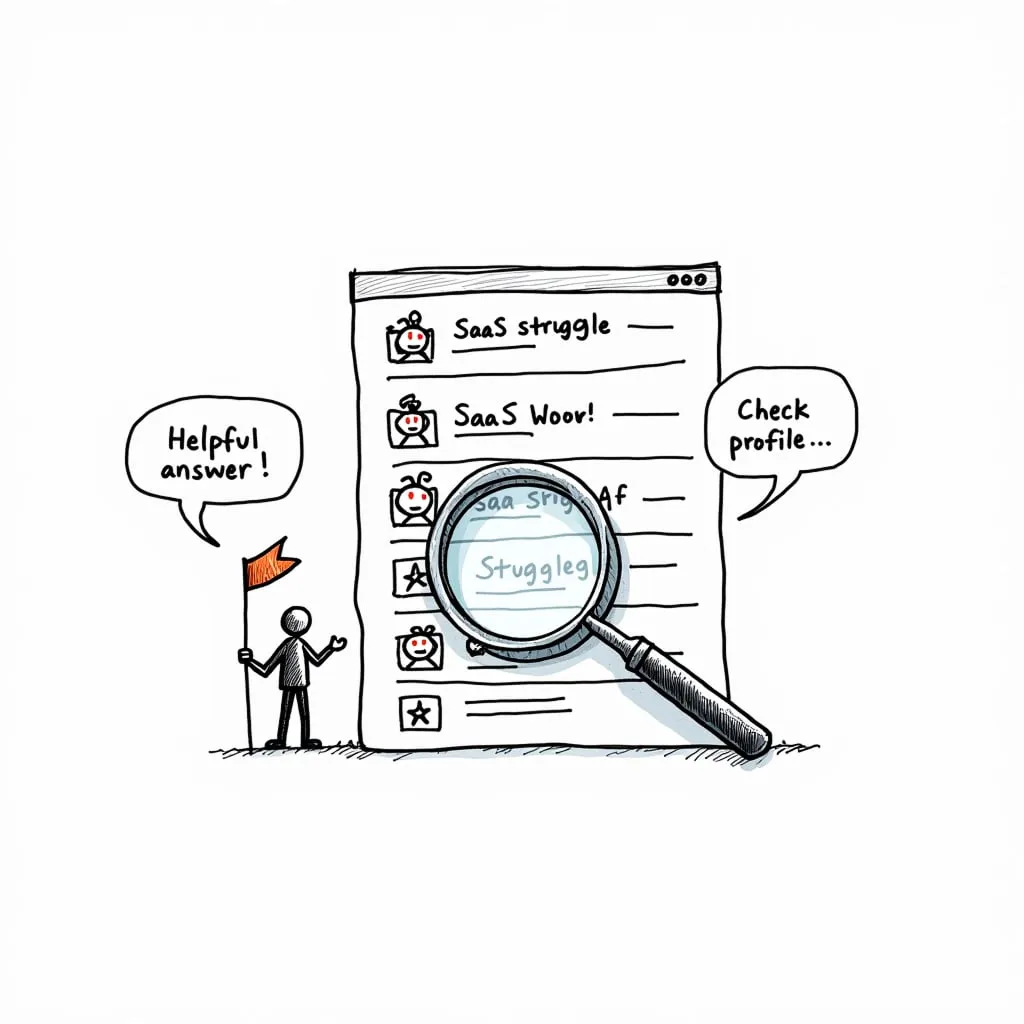
Reddit threads scream one truth: your first 100 users hide in narrow niche communities.
But most founders fail by spamming links without giving value.
The winners? They infiltrate.
How it works: Join 3-5 forums where your ideal users vent. For a project management tool, that’s r/Entrepreneur or r/RemoteWork. Spend 20 minutes daily solving problems without mentioning your tool. Earn trust first. Drop subtle hints in your profile bio.
Real use case: Ahrefs team members spent two years answering complex SEO questions on WebmasterWorld and niche forums. They never linked to their tool. Users who valued their expertise checked their profiles, discovering Ahrefs organically. This stealth approach built authority and trust, driving early adopters without a single "Try our product" post. No ads. Just expertise.
Pros: Free, builds authority, laser-targeted traffic.
Cons: Time-intensive, slow initial results.
SEO grinding (Own Google’s real estate)
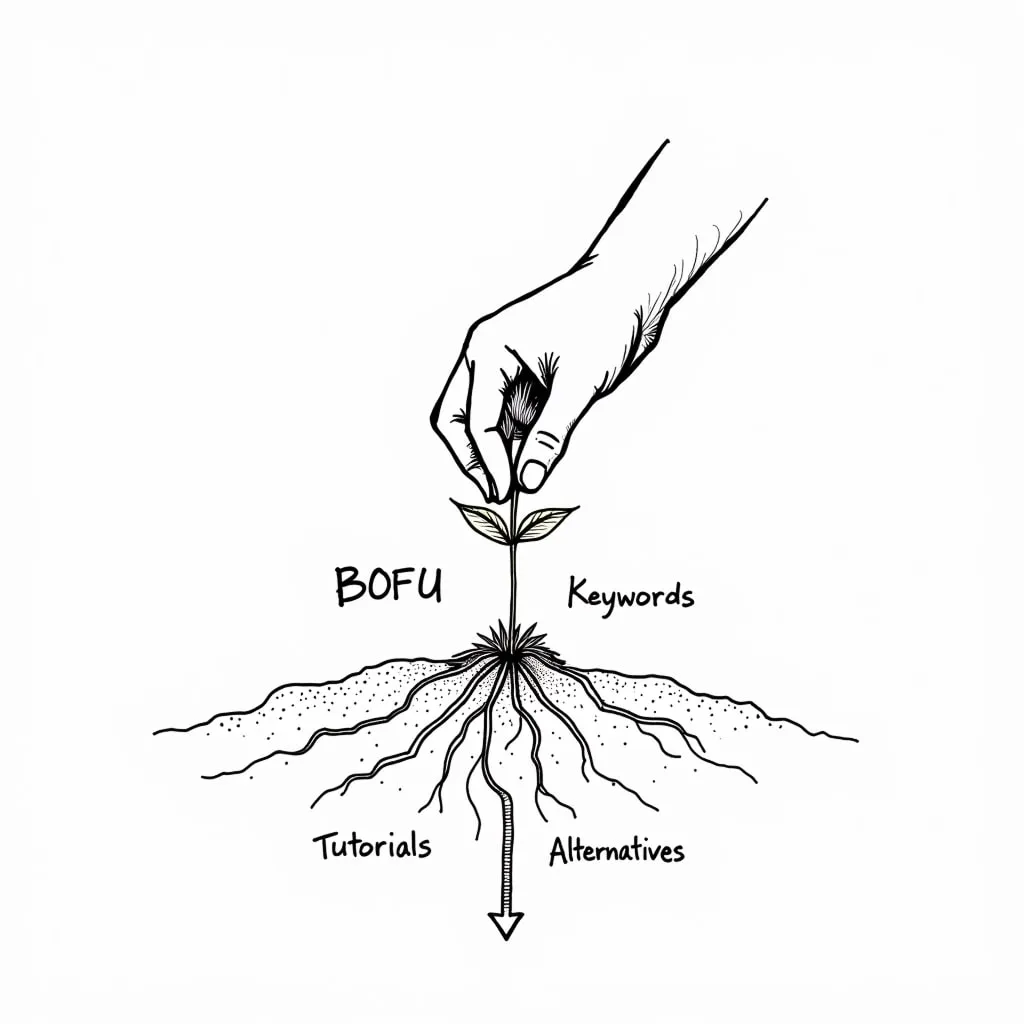
Forget “content marketing.” Write exactly what your users google.
Reddit’s top performers swear by “BOFU SEO” – Bottom-of-Funnel keywords like “[Your Niche] alternative” or “How to [solve X pain] with software.”
How it works: Use free tools like AnswerThePublic or Ubersuggest. Find 10-20 high-intent phrases. Create ultra-specific landing pages. Example: “Trello for Construction Teams” or “ClickUp Alternative Under $10.”
Real use case: Notion identified 15 high-intent phrases like “Evernote alternative for teams” and “wiki software for startups.” They built comparison pages and tutorial guides optimized for these exact terms. Over 18 months, these pages ranked top 3 on Google, pulling in 10,000+ monthly visitors. No paid ads – just ruthless keyword targeting.
Pros: Free traffic compounding over time.
Cons: Requires upfront writing/technical skills.
The dark art of cold outreach (Personalize direct messages)

Reddit’s hidden gem: personalized DMs. Not the lazy “Check my SaaS!” spam.
The winners send 2-sentence value bombs.
How it works: Find 50 targets on LinkedIn/Twitter. Study their last 3 posts. Message: “Loved your take on [topic]. We built [tool] that automates [pain they mentioned]. Can I gift you a free lifetime account for feedback?”
Real use case: Superhuman’s founders manually emailed 500 tech influencers with: “Loved your article on inbox zero. We’re testing a speed-focused email client. Can we gift you free access for brutal feedback?” 30% replied. Many became evangelists, sharing screenshots on Twitter. This hyper-personalized outreach cost $0 but required 4 hours daily for 3 months.
Pros: Zero cost, high conversion if personalized.
Cons: Soul-crushing rejection rates.
Viral loops (Make users your sales army)

Referrals aren’t just “Get $10.” Reddit’s smartest builders bake sharing into the product.
Think Dropbox’s “Get more space by inviting friends.”
How it works: Offer a non-monetary reward users crave. For a design tool: “Unlock premium fonts by sharing your project on social media.” For analytics SaaS: “Get advanced reports by tweeting about us.”
Real use case: Calendly’s referral program gave extra meeting type slots for every friend invited. Users needing complex scheduling (like HR teams) shared links aggressively to unlock features. These public “How I streamlined scheduling” posts became de facto case studies. Organic signups grew 22% monthly without paid campaigns..
Pros: Scales with user base, builds social proof.
Cons: Requires existing active users.
Micro-influencer ambush (Seek for small creators)

Everyone chases big-name influencers.
You better target nano-creators (500-5k followers) in your niche. They’re hungrier, cheaper, and more engaged.
How it works: Find 20 micro-influencers on TikTok/YouTube. Offer free annual access in exchange for a 30-second review. Most will say yes – their viewers crave undiscovered tools.
Real use case: Loom targeted 50 YouTubers with 1k-5k subs in productivity niches. They offered free Pro access for honest 30-second reviews. 38 creators accepted. Videos titled “Secret Tool My Competitors Use” drove 8,000+ signups. Total cost: $0. Time investment: 10 hours of personalized outreach. Nano-influencers outperformed big names due to loyal audiences.
Pros: Cheap, authentic, taps into tight-knit communities.
Cons: Labor-intensive to manage partnerships.
Scrappy PR (Become a source, not a beggar)
Forget press releases. Reddit hustlers get quoted in industry roundups.
How? Help journalists on deadline.
How it works: Sign up for HelpAReporter (free). Reply to queries related to your niche with actionable tips. Mention your tool once as an example.
Real use case: Zapier monitored HelpAReporter daily for “automation” queries. They responded with actionable tips, positioning themselves as experts. Example: “5 Ways Small Teams Automate Google Sheets” for a TechCrunch query. The article linked to Zapier as a solution. Earned 92 backlinks in year one through this give-first strategy.
Pros: Builds backlinks and brand credibility.
Cons: Unpredictable timing.
The demo trap (My atomic weapon)
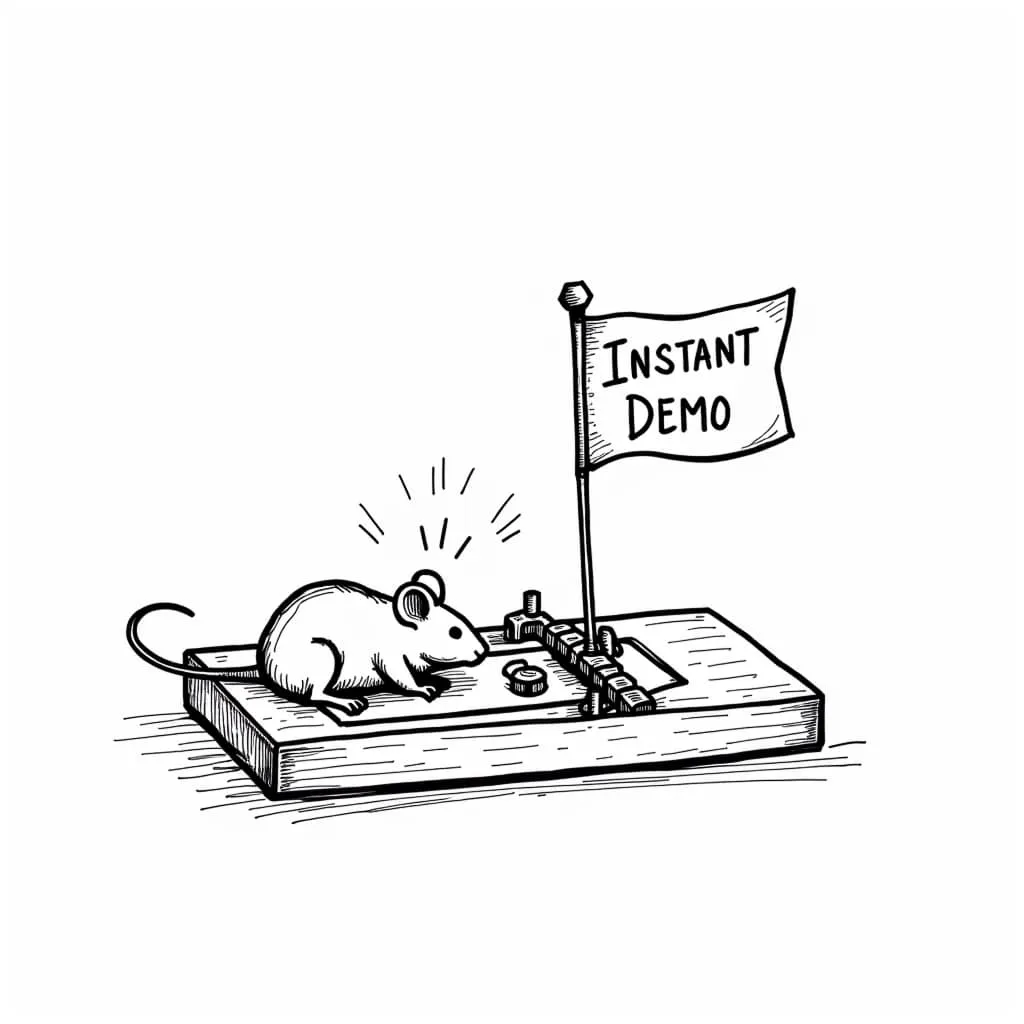
Free trials are lazy. Force users to experience your “aha moment” in 60 seconds.
How it works: Build an interactive demo requiring no signup. Example: A CRM tool lets visitors import sample data and send mock emails. They’re hooked before creating an account.
Real use case: Canva’s no-signup demo let users design real social posts instantly. Visitors typed captions, chose templates, and downloaded finished graphics. The “I made this!” effect triggered shares. 33% of demo users created accounts immediately. Virality came from the product experience itself, not gimmicks. Development took 3 months but reduced CAC by 70%.
Pros: Skyrockets conversion rates.
Cons: Needs upfront dev resources.
The ICP black hole (Exploiting job listings)
For dessert, the nuclear option for desperate founders.
Highly effective, morally questionable. Try it out at your own risk!
How It works: Create a LinkedIn job for a senior role matching your ICP (e.g., “Director of SEO”). Enable LinkedIn’s “Easy Apply” and default the “Follow Company” checkbox to on. Then harvest data → collect emails/LinkedIn profiles of applicants – your ICP self-identifies. Bomb them with ads or cold emails.
Real use case: An anonymous Redditer’s SaaS targeting SEOs posted a “Head of Content Strategy” job. 1,200 applicants auto-followed their LinkedIn. They retargeted them with ads for a “free SEO audit tool.” 22% converted to free users, 5% paid. Growth cost: $0. Churn spiked later as users felt tricked. Works short-term, but burns long-term trust.
Pros: Instant ICP list, zero ad spend, laser-targeted.
Cons: Ethical dumpster fire, violates LinkedIn’s TOS, high churn.
Zero-budget marketing isn’t about shortcuts. It's a war fought with time, obsession, and strategic patience.
Delete Twitter → Open Reddit → Start infiltrating.
Finally, you don’t need to love marketing. You need to systematize it.
Treat these rules like code: input effort, output traction.
This guide was fueled by Venice.ai’s document analysis – uncensored AI that digests Reddit threads, case studies, and PDFs in seconds. Need to dissect your market’s raw discussions? Their doc-upload feature is a founder’s intel weapon.